



From Crisis to Calling: Psychosynthesis Therapy for Meaningful Life Transitions
The unsettling passages life brings aren’t just trials to survive — they’re sacred rites of passage, doorways to who you’re becoming.


Psychosynthesis therapy offers a compassionate and soulful approach to navigating the often unsettling experience of life transitions. These moments — whether a midlife crisis, significant loss, or a rite of passage — are profound liminal spaces where our identities shift and uncertainty stirs. They unsettle us deeply because they place us “between”: between the past and the future, between who we thought we were and who we might become. But what if these passages aren’t just difficult trials, but sacred opportunities — thresholds to greater wholeness, deeper meaning, and new potential? Understanding transitions this way can help us meet change with more courage and grace.
The Nature of Life Transitions: Loss, Liminality, and Becoming
Transitions are inherently liminal — from the Latin limen, meaning threshold. They place us between what was and what is to come, a space where old identities dissolve and new ones have yet to form. This can feel destabilising and anxiety-provoking, but also ripe with potential for renewal.
Philosophers from Socrates to Plato recognised the soul’s journey as central to life’s meaning, urging us not to leave life unexamined in order to truly know who we are beneath shifting roles and expectations.
Carl Jung described these moments as part of individuation — the process of integrating shadow and light to realise the whole Self. Roberto Assagioli, founder of psychosynthesis, emphasised how much suffering arises from attachment to limited identities and subpersonalities — those survival roles or masks we wear. When transitions challenge these attachments, we suffer. Through disidentification, psychosynthesis teaches us to observe these parts without being controlled by them, allowing the true Self to emerge.


Interrupted Rites of Passage and the Need for Repair
Some life transitions — such as the passage from childhood to adulthood — may have been interrupted or disrupted by neglect, difficult relationships, or even betrayal. These incomplete rites of passage leave wounds, confusion, or unresolved pain hanging open inside us. Often we see unwanted patterns of behaviour, outcomes that repeat, stemming from our often unconscious attempts to repair or close those wounds, in hope of a different result. To heal, we need compassionate, honest, and heartfelt reflection — an opportunity to tell our story, share our pain in a safe space, and develop greater self-awareness.
Therapeutic relationships offer this vital space for repair and integration. With deep empathy and acceptance, therapy helps cultivate self-compassion and allows the wounded parts of ourselves to be heard and healed. Through this process, the pain of the past becomes a bridge to renewed meaning and purpose. Framing change in the context of transitions can help greatly to remove self-blame or guilt; it acknowledges our vulnerability in the face of uncertainty, offering kindness and permission toward the myriad feelings we do have.
Existential Wisdom and the Power of Transformation
Existential psychology reminds us that confronting life’s givens — mortality, freedom, isolation, and meaninglessness — can be both terrifying and liberating. As Rollo May taught, existential anxiety is the seed of courage and creativity. Irvin Yalom showed how awareness of these realities can inspire more authentic living.
In this light, transitions are not just crises but calls to awaken. As Buddhist thinker Daisaku Ikeda puts it, “The essence of life is change…the process of change is the process of growth.” With psychosynthesis therapy and years of Buddhist practice behind my own approach, I aim to help you turn these “poisons” of pain and confusion into “medicine” for healing and creation.
Art, Soul, and the Journey Through Liminal Spaces
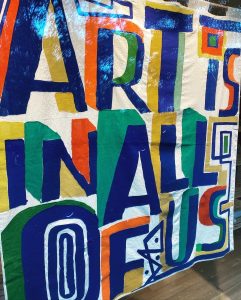

Artists are masters of navigating liminal spaces, capturing vulnerability, transformation, and the search for meaning – discovering renewed empowerment through challenge. I know this from the inside as much as from theory — before I trained as a therapist, I spent years in the industry as a self-employed working musician and writer, and that creative life taught me something no textbook could: that the in-between, unfinished, not-yet-resolved place is exactly where the real work happens. Like artists, we can learn to embrace life’s transitions as creative acts — expressing our true self and evolving beyond former limitations.
Alongside that creative background, I’ve spent 40 years in Buddhist practice, and a good deal of that time leading groups — community peace work, men’s groups, spaces where the whole point was helping people access something more than just getting through the week. What I’ve come to see, again and again, is that so many of us are simply coping. Surviving the day, managing the list, holding it together — and somewhere in that survival mode, the question of purpose, of what we’re actually here to do, starts to feel like a luxury we can’t afford. This is exactly where spiritual, soulful therapy can go deeper than symptom management alone: not just helping you cope better, but helping you uncover what’s been quietly getting in the way of the life that’s actually yours to live.
By seeing transitions as opportunities for soulful transformation, psychosynthesis therapy invites you to move from crisis to calling, fostering a deeper connection with your authentic self and life’s unfolding mystery.
“Our wounds are often the openings into the best and most beautiful parts of us.”— David Richò
Your life’s transition is its own art form — a work in progress, rich with nuance and expression. Like great artists, you can learn to live fully in the in-between, transforming anxiety and doubt into creativity and growth. Beneath the coping, beneath the roles you’ve had to play just to get through, there’s a fuller version of you waiting — the version that isn’t managing life, but genuinely living it. That’s ultimately what this work is for: not fixing you, but helping you find your way back to living the life you live.
From Crisis to Calling: Transforming Pain Into Purpose
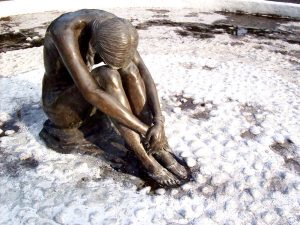

As Daisaku Ikeda beautifully reminds us, “Problems and suffering are not obstacles to happiness — they are the fuel that drives it forward.” Our deepest wounds, once hidden in shadow, carry the seeds of our most authentic self. They are not burdens to be ashamed of or locked away; instead, they are sacred parts of our story, essential chapters in the becoming of who we are meant to be.
A true calling arises when we bring these wounds into the light, gently tending to them with compassion as we cultivate our inner parent and learn to quiet the harsh voices of the inner critic. It is in this tender nurturing that our pain is alchemised into wisdom, creativity, and profound purpose.
A calling is more than a job or achievement — it’s that which makes your soul sing, that resonates so deeply you feel alive and fully yourself. It is a dialogue between who you have been through suffering and who you are becoming. When you embrace your journey, including the shadows and scars, you open the door to a life infused with meaning, service, and joy.
The crisis is the crucible. The calling is the gift. And through therapy, reflection, and compassionate self-inquiry, you can step from one into the other — turning your life’s pain into a mission that not only heals you but also lights a path for others.
Compassionate Support Through Transition
If you find yourself overwhelmed by anxiety, sadness, or depression during a transition, know this: these feelings are natural and part of the process. Compassionate therapy offers a safe container to explore these emotions, reconnect with your values, and develop new perspectives.
Together, we can work to frame your experience not as a crisis but as a rite of passage — a profound invitation to deepen your understanding of yourself and life. Get in touch to find out more. Book a free phone consultation or an initial session. I would be honoured to accompany you on this journey of self-discovery and healing.
For Deeper Reflection and Reading
- William Bridges — Transitions: Making Sense of Life’s Changes
- Carl Jung — Man and His Symbols
- James Hollis — The Middle Passage: From Misery to Meaning in Midlife
- Irvin D. Yalom — Existential Psychotherapy
- Firman & Gila — Psychosynthesis: A Psychology of the Spirit
- Ernest Becker — The Denial of Death
“The opposite of courage in our society is not cowardice, it is conformity.”— Rollo May
What to Expect
Format: Individual 50-minute sessions, weekly
Where: In person in Farringdon, London (recommended where possible), Streatham (Tuesdays, 9am–3pm), or online for those based outside London
Starting out: A free 15-minute consultation is available first, if you’d like to ask questions before committing to a full session
Fees: £70 per session

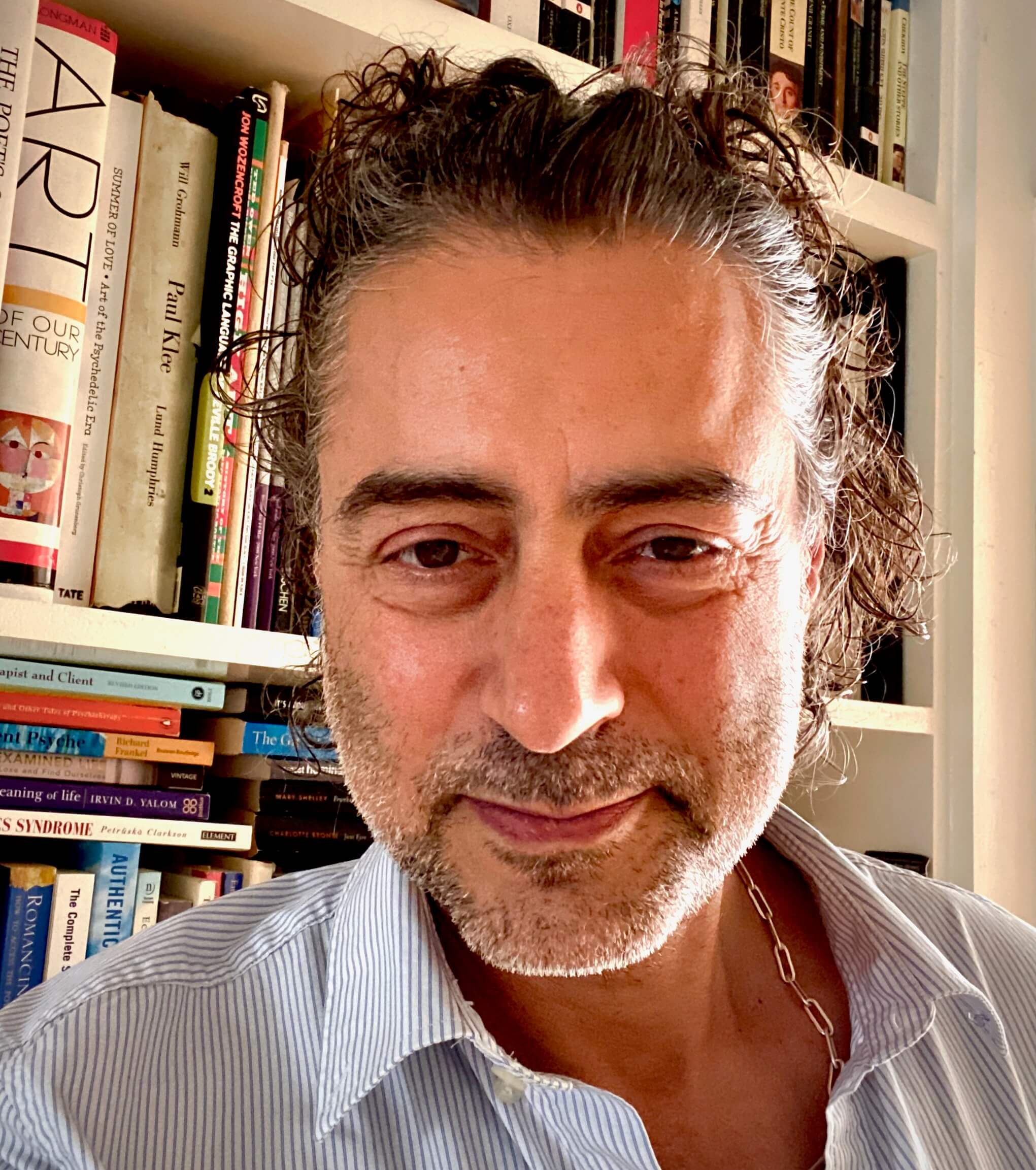
Alex Golding
BACP-Registered Psychosynthesis Counsellor
Ready to Talk?
Ready to start, or want to ask a question first — either way, I’d be glad to hear from you.