
What Is Ego Strength — and How Much Is “Enough” for a Healthy, Resilient Life?
When enough ego strength exists, the world ceases to be a threat and becomes a field for engagement, meaning, and growth.
Yet many people come to therapy not because they lack intelligence or insight, but because something inside them feels fragile, overwhelmed, or easily thrown off balance. They may say:
- “I fall apart when things go wrong.”
- “My emotions take over.”
- “I know what I should do, but I can’t seem to do it.”< /li>
In psychological language, these experiences often relate to a question of ego strength — the inner capacity to meet life’s challenges without becoming overwhelmed, disconnected, or driven by automatic reactions.
But what exactly is ego strength? And how do we know when someone has enough of it?
In the heart of therapeutic work lies this often misunderstood yet profoundly shaping concept of ego strength. Many clients sense something about it before they know the term—words like “resilience,” “inner resource,” or “not falling apart emotionally.” Yet ego strength has a rich lineage in psychology, evolving from Freud’s structural model into relational, humanistic, and existential approaches that foreground lived experience, authentic self-connection, and relational capacity.
In this article, we’ll explore What ego strength is.How major schools of psychotherapy define and construct it.What counts as “enough” ego strength—clinically and personally.How strengthening ego functions shows up in real life and therapy.This is not simply a theoretical journey. You’ll find examples, applications, and clinical clarity that connects theory to everyday psychological experience.
What Do Psychologists Mean by Ego Strength?
Sigmund Freud originally described the ego as the part of the psyche that mediates between instinctual drives, internalised moral demands, and the realities of the external world. From this early psychodynamic view, ego strength referred to the ego’s capacity to tolerate conflict and regulate anxiety without collapsing into impulsivity or rigid defence.
“The ego refuses to be distressed by the provocations of reality, to let itself be compelled to suffer. It insists that it cannot be affected by the traumas of the external world..” — Sigmund Freud
In everyday terms, ego strength means being able to:
- Pause before reacting
- Tolerate uncomfortable emotions
- Reflect on experience rather than being consumed by it
- Adapt flexibly to changing circumstances
Contemporary relational and developmental theorists expanded Freud’s ideas to include interpersonal history and attachment patterns as determinants of ego strength, no longer seeing it as purely an internal structure. It is also deeply shaped by relationships, attachment patterns, and emotional learning over time.

How Early Relationships Shape Our Inner Stability
Donald Winnicott, a key figure in relational and developmental psychology, shifted attention from inner drives to early emotional environments. He observed that psychological strength develops when a child experiences reliable emotional holding — primary caregivers who are responsive, attuned, and capable of repair when things go wrong. A child who does not experience consistent holding may develop a false self—a performance-oriented self that protects against rejection but lacks internal solidity.
“It is in playing and only in playing that the individual child or adult is able to be creative and to use the whole personality.” — D. W. Winnicott
Through thousands of small interactions, the nervous system learns that:
- Feelings can be survived
- Needs can be expressed
- Distress can be soothed
Over time, these experiences become internalised as self-soothing capacities and emotional confidence. When early environments are unpredictable or emotionally unsafe, protective strategies may develop — often experienced in adulthood as a split, where a person struggles to find authentic expression, such as with people-pleasing, emotional shutdown, or intense fear of abandonment.
From this perspective, ego strength is not simply mental toughness, but internalised relational safety.
Rogers and the Strength That Comes from Self-Acceptance
Carl Rogers approached psychological health through the lens of authenticity and self-trust. Establishing person-centred Therapy, he believed that when people experience empathy, acceptance, and understanding, they naturally move toward growth and integration.
“The curious paradox is that when I accept myself just as I am, then I can change.” — Carl Rogers
In person-centred terms, ego strength emerges as:
- Congruence between inner experience and outward expression
- Reduced defensiveness
- Greater openness to emotional truth
Rather than controlling emotion, psychologically resilient people are able to stay with emotional experience, such as vulnerability, uncertainty, or loss without being overwhelmed by it. This capacity forms the foundation of emotional regulation and relational authenticity.
These capacities enable psychological flexibility, self-regulation, and resilient self-direction. For Rogers, ego strength isn’t about defense mastery — it’s about self-structure that is open to experience, not defensive against it.

Existential Therapy: Strength as the Courage to Live
Existential psychotherapy focuses on how we meet life’s unavoidable uncertainties — freedom, responsibility, loss, and the search for meaning. From this view, ego strength appears as the ability to tolerate anxiety without retreating into avoidance or rigid certainty.
Emotionally resilient individuals are not free from anxiety, but they are able to:
- Make choices without guarantees
- Remain engaged despite fear
- Take responsibility for shaping their lives
Here, ego strength is less about emotional control and more about psychological courage — the willingness to live fully in an uncertain world. Anxiety becomes a signal rather than a threat; someone with sufficient ego strength can sit with discomfort long enough to make choices reflecting authentic values.
“Live your life to the fullest; and then, and only then, die. Don’t leave any unlived life behind.” — Irvin Yalom
Transactional Analysis and the Capacity to Choose
Transactional Analysis describes personality through three ego states: Parent, Adult, and Child. Under stress, people may slip into reactive emotional states or harsh internal criticism. Ego strength, in this model, is the capacity to remain in the Adult state — present, thoughtful, and grounded in reality.
This allows for:
- Reflective decision-making
- Boundary awareness
- Emotional containment
Therapy strengthens this capacity by helping clients recognise when old emotional scripts are running the show — and by supporting new, more conscious responses.
Gestalt Therapy: Awareness as Strength
Gestalt therapy emphasises awareness and embodied presence. Psychological resilience develops as individuals become more able to notice bodily sensations, emotional shifts, and relational dynamics in real time. Its psychology (Perls) grounds ego strength in awareness and contact — the ability to be present, to notice interrupting patterns, and self-regulate in the here-and-now.
As awareness grows, so does the capacity to regulate contact with others — knowing when to move closer, when to assert boundaries, and when to step back for self-care.
“Anxiety is excitement without the breath.” — Fritz Perls
So How Much Ego Strength Is “Enough”?
In therapy, we do not measure ego strength by perfection or constant emotional calm. Instead, we look for practical capacities:
- Can the person stay emotionally present during conflict?
- Do they reflect before reacting?
- Can they recover after emotional setbacks?
- Can they maintain connection without losing their sense of self?
Enough ego strength means emotions may be intense, but they are not disorganising. Relationships may be painful, but not annihilating. Identity may evolve, but not collapse.
It is the capacity to bend without breaking — and to return to centre after being shaken.

How Therapy Helps Build Emotional Resilience
Across therapeutic approaches, strengthening ego functions tends to occur through similar processes:
- Emotional co-regulation within a safe therapeutic relationship
- Increased awareness of emotional patterns
- Development of reflective capacity
- Expansion of personal agency and choice
Rather than forcing change, therapy gradually expands the nervous system’s capacity to tolerate feeling, uncertainty, and connection. Over time, clients often discover that they can stay present with experiences that once felt overwhelming.
Ego Strength and Spiritual or Personal Growth
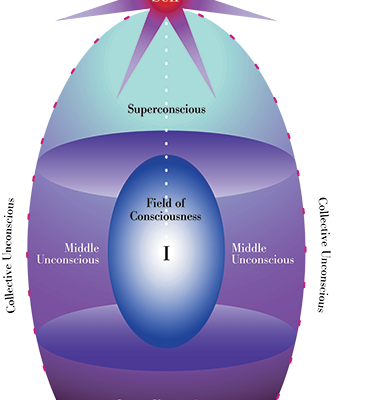
In spiritually informed approaches such as psychosynthesis, ego strength is not opposed to deeper self-realisation — it is essential to it. Without psychological grounding, spiritual exploration can become destabilising or avoidant.
With sufficient ego strength, however, inner exploration becomes embodied, emotionally integrated, and relationally grounded.
You may also wish to read: Why Vulnerability Is a Strength, Not a Weakness
Final Thoughts: Strength That Serves Life
Ego strength is not about emotional hardness or self-control. Across psychodynamic, relational, humanistic, existential, and body-based therapies, it emerges as the capacity to stay present with oneself and others, even when life becomes difficult.
When enough ego strength exists, the world stops feeling like a threat and begins to feel workable — a place where growth, connection, and meaning are possible.
If you are exploring these questions in your own life, therapy can be a powerful space not only for insight, but for building the inner stability that makes change sustainable.
If you would like to explore this further, or learn more about my approach to therapy, please scroll below about getting in touch. I offer therapy in London and online at reasonable rates.
Frequently Asked Questions About Ego Strength
Is ego strength the same as confidence?
No. While confidence is about belief in one’s abilities, ego strength refers to the capacity to regulate emotions, tolerate distress, and remain psychologically stable under pressure. Someone may appear confident yet struggle internally with anxiety, shame, or emotional overwhelm. Ego strength is more about inner steadiness than outward certainty.
Can ego strength be developed later in life?
Yes. Ego strength is shaped by early relationships, but it is not fixed. Therapy, emotionally corrective relationships, and reflective practices can all strengthen emotional regulation, self-awareness, and resilience at any stage of life.
How do I know if my ego strength is low?
Common signs may include intense emotional reactions, difficulty calming down after stress, fear of abandonment, harsh self-criticism, or feeling easily destabilised by conflict. These patterns are not personal failings, but indicators that your emotional system may benefit from greater support and regulation.
Does building ego strength mean suppressing emotions?
No. In fact, ego strength increases the ability to feel emotions safely rather than suppress them. Psychological resilience allows feelings to be experienced, understood, and expressed without becoming overwhelming or destructive.
Is ego strength important for relationships?
Very much so. Healthy relationships require the ability to stay emotionally present during disagreement, maintain boundaries, and tolerate vulnerability. Ego strength supports both intimacy and autonomy, allowing connection without loss of self.
How does therapy help strengthen the ego?
Therapy provides emotional co-regulation, insight into patterns, and opportunities to practise new ways of responding to stress and relationships. Over time, these experiences become internalised, increasing emotional resilience and psychological stability.
So What Counts as “Enough” Ego Strength? Eight Markers of Sufficient Ego Strength
- Capacity to tolerate distress without dysregulating
- Ability to reflect before reacting
- Social resilience—maintaining connection without symbiosis
- Agency within relational contexts
- Adaptive use of defenses (not rigid or pathological)
- Capacity to grieve and mourn losses
- Emotional differentiation (not fused with affect)
- Creative problem-solving under pressure
What It Looks Like When Ego Strength Is Limited
- Attachment anxiety or avoidance
- Identity diffusion (unclear self-sense)
- Emotional hotspots that rapidly escalate
- Rigidity in thought and behavior
- Excessive self-criticism or external blame
- Difficulty maintaining relational attunement

My Approach — Relational, Creative, and Grounded – in London & Online
As a psychosynthesis therapist in London and online, my work is relational, creative, and soulful. I draw on Humanistic, Jungian, Gestalt, Existential, and Trauma-informed approaches, integrating Compassionate practices and Family Systems work. My aim is not only to help with symptoms but to create a space where healing and meaning can emerge together.
“The purpose of psychotherapy is to set people free.” — Rollo May
If you are seeking to transform yourself and your relationships, or simply feel better about life, psychosynthesis therapy with me could well bring about the changes you are looking for. It is an effective path that is grounded, flexible, profound and compassionate – to help you live YOUR path. Get in touch and let’s connect either for a free 15 minute call or an initial session, in person or online. (Farringdon, London clinic or Online – £70 per session)
Further Reading
- Carl Rogers — On Becoming a Person
- Irvin Yalom — Existential Psychotherapy
- Scott Peck — The Road Less Travelled
- Gabor Maté — The Myth of Normal
- Firman & Gila — Psychosynthesis: A Psychology of the Spirit
Related Articles
- Spiritual Awakening or Breakdown? How to Tell the Difference
- Psychosynthesis Therapy for Life Transitions
- Therapy for Men in London & Online
Alex Golding is a BACP registered, fully insured and qualified Psychosynthesis Counsellor offering affordable rates as a private practitioner in Farringdon, Streatham, London Bridge and Online. With his rich life experience, diverse background and over 30 years of Buddhist practice to draw upon, he is passionate about supporting adults and youth, anyone struggling to realise their fullest potential. He has created Eagle Peak Therapy – bringing Buddhist wisdom for leadership & wellness to groups and businesses.
© Alex Golding Therapy 2026




















Recent Posts