<div class="agt-wrap"> below this note down to the end. Paste into a WordPress Custom HTML block (not the visual/paragraph editor).Relationship Counselling in London & Online
BACP-registered, in-person-led therapy in Farringdon, with online sessions for those based outside London.
Book Your First Session
Book a Free Chat First
Or ask a question first →
At the heart of many human struggles lies one deep longing: to love and be loved, authentically. Yet this simple yearning often comes entangled with fear — of rejection, of abandonment, of intimacy itself. Relationship struggles are one of the most common reasons people seek therapy, not always because a relationship itself is falling apart, but because the same painful pattern keeps repeating: pulling away when things get close, picking partners who can’t meet you, struggling to trust, or feeling unseen in a relationship that looks fine from the outside.
“Love is not something natural. Rather, it requires discipline, concentration, patience, faith, and the overcoming of narcissism. It is not a feeling, it is a practice.”— Erich Fromm, The Art of Loving
It takes real courage to open up about your innermost wants, pain or fears — often overcoming deeply stored shame or guilt from past experiences of love not working out. Relationship counselling offers a non-judgemental, confidential space where a gradual unfolding can lead toward healing, whether that’s your desire to find love, or to find a better relationship with love itself.
What Relationship Counselling Can Help With
- Repeated conflict or emotional disconnection with a partner
- Difficulty trusting, or fear of being truly seen
- Healing after heartbreak, betrayal, or relationship trauma
- Patterns of anxious or avoidant attachment that limit closeness
- Rebuilding a sense of self-worth after a difficult relationship
- Understanding what you keep bringing into relationships, and why
The Courage to Love
Scott Peck, in The Road Less Travelled, argues that true love isn’t dependency or neediness — it’s the will to extend oneself for the purpose of nurturing another’s growth. That’s no small task, and it takes real courage and inner clarity. At the same time, it’s worth questioning the story we tell ourselves about “neediness.” Healthy love brings attachment too, needfully so — our needs deserve a non-judgemental space to exist, to be felt and honoured, not pathologised. In our work together, we explore love not only as a feeling, but as an act of will and attention: a spiritual discipline, a process of becoming, as much as a human need.
What Keeps Us Stuck in Unhealthy Patterns
We often unconsciously repeat relational dynamics from early life, particularly shaped by our attachment styles — in an unconscious attempt to heal earlier, primal wounding. Hence the old adage of making the same mistakes and expecting different results: easily done, and we have all been through it. It can be deeply disappointing, even devastating, to reach the same painful stage again and again. Whether you lean anxiously toward connection or instinctively avoid closeness, these patterns were once genuine survival strategies. They can limit your experience of intimacy today, long after they stopped being necessary. Awareness is the first step toward change.
As Carl Jung put it, “until you make the unconscious conscious, it will direct your life and you will call it fate.” In therapy, we learn to notice these inner scripts and rewrite them with compassion — while also taking into account the social context: patriarchy, polarity between the sexes, discrimination, cultural norms, and sexual identity all shape how we see ourselves, and are seen, in relationship.
The Vulnerability of Loving
Brené Brown speaks of vulnerability as the birthplace of connection — something particularly difficult for men, taught from a young age that masculinity means standing apart, not sharing, not being seen as “weak.” To be vulnerable means facing shame, fear, and the haunting question: am I worthy of love? Yet in our deepest vulnerability, there is beauty to behold and aliveness to be found. I support you in meeting these fears with gentleness, so love becomes less about proving, and more about being.
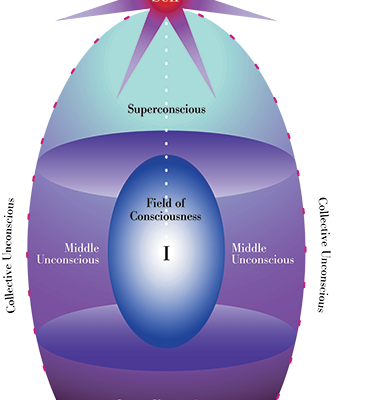
As a therapist grounded in psychosynthesis, I support you to uncover the creative self behind your defences — the part of you that knows how to love, and be loved, in freer ways. Equally important is developing awareness of the boundaries that keep you safe; for many, consent itself is an area of real confusion and suffering, one that deserves a gentle, thoughtful, informed approach so each person feels safe and seen.
“Love does not consist in gazing at each other, but in looking outward together in the same direction.”— Antoine de Saint-Exupéry, The Little Prince
In relationship work, we rediscover this outward gaze — aligning your heart with your own shared values, purpose, and direction. Love deepens not in fusion, but in conscious companionship. As the Buddhist philosopher Daisaku Ikeda put it, “love without wisdom can become obsession; wisdom without love becomes cold.” True healing asks for both: the warmth of compassion, and the clarity to act differently.
What to Expect
Format: Individual 50-minute sessions, weekly
Where: In person in Farringdon (recommended where possible), or online for those based outside London
Commitment: Six weekly sessions is a reasonable initial marker, reviewed as we go
Fees: £70 per session
Frequently Asked Questions
Is this individual therapy or couples counselling?
I work with individuals, not couples together in the room. Many clients come specifically to work on relationship patterns — what you bring into relationships, and what you’d like to change — whether or not your partner is involved in that process at all.
How much does relationship counselling cost in London?
Sessions are £70, lasting 50 minutes.
Can relationship counselling be done online?
Yes — online sessions are available for those based outside London. In-person work in Farringdon is recommended where it’s an option, as it tends to support deeper work.
How long does relationship counselling take?
This varies by person and pattern. An initial commitment of six weekly sessions is a reasonable starting point, reviewed as we go.
Related Reading
Ready to Talk?
Ready to start, or want to ask a question first — either way, I’d be glad to hear from you.





















Recent Posts