Men and Emotions: Why It’s So Hard to Talk
Men and emotions: the silence so many men carry, where it comes from, and what it costs.

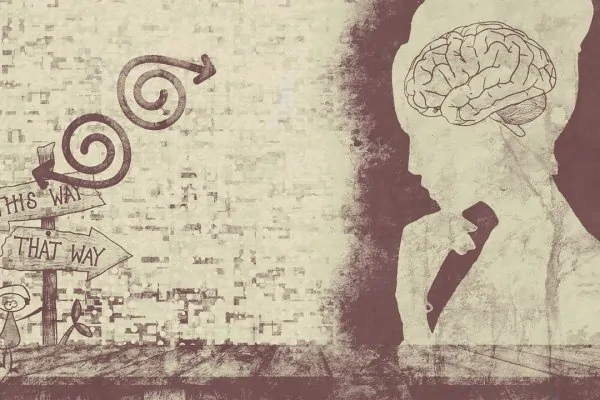
Many men in London - and across the world - grow up hearing the message that showing emotion is a sign of weakness. From childhood, phrases like “man up” or “don’t cry” teach us to lock away vulnerability. This cultural conditioning often leads to isolation, anxiety, and strained relationships. When coping strategies become exhausted, some men develop dependencies on alcohol, work, or other distractions as a way to avoid confronting powerlessness, anger or sadness. Many men find themselves at a loss for how to be themselves, withdrawing from relationship. This piece is about men and emotions - why the connection between them gets severed so early, and what it takes to restore it.
Starting the Conversation
Therapy with me, online or in person, is a place to put those rules down. You are not being assessed, and taking a while to find the words is ordinary rather than a failure of nerve.
Some of what I bring to that is the clinical training. A good deal of it comes from somewhere else.
Two Decades of Rooms Full of Men
Long before I trained, I spent about twenty years in voluntary work with local men and young men, and with mixed community groups, inside a socially active global Buddhist network for peace, culture and education, working at community level. These were not therapy groups and I would not want to dress them up as such. They were unpaid, faith-based, and about as far from a clinical setting as you can get.
The difficulties in them were no less real for that. Real lives, real trouble, and no single type of man. Confident and shy. Comfortable and broke. Black, white and everything in between. British and not. Neurotypical and neurodivergent. Gay and straight. Conventional and alternative, left-leaning and right-leaning, activist and thoroughly not. Across all of it, the same thing kept surfacing.
We are measured from the first day, and we carry on measuring ourselves long after everybody else has lost interest. Build and height. Penis size and sexual potency. How clever we are, what we studied, or never got the chance to study. What we earn. Whether anybody chose us. Almost none of this gets said out loud, and it does not need to be said to run a life.
What gets built on top of it is compensation. Something that answers the sense of not being enough, works well enough to be worth keeping, and then quietly becomes who we take ourselves to be. I am not writing about this from the outside. I have my own.
A good number of them were young, and it starts early. Some were in the shadow of a father who had done well, or who was simply large in the room. Others had a father who was barely there. That sounds like the opposite problem and it produces much of the same searching, and what both were after was not advice but somebody who got them.
Where Men and Emotions Come Apart

Many of us are well practised at the brave face and out of practice at everything underneath it. A whole region of a life can sit in shadow for decades, including inside relationships that have lasted, with people who would say they know us well. Being seen properly, on the inside, witnessed rather than admired, is something a great many men have never had.
Anger is often part of this, and a good deal of it is never spoken aloud. Some is inherited, passed down without anyone intending to hand it on, and some is frustration that has simply built up over years. And where it does not come out at all, it turns inwards instead: the self-blame, the regret, the punishing and the torment that can end up running rampant in us.
There is a loss in this, and a loneliness that rarely gets called by either name, because naming it is the thing we were trained out of. It is not a small matter. Men die by suicide at around three times the rate of women, and the highest risk of all falls in the years around fifty (ONS, 2024). Some way after the compensations were built, and about the time they stop working.
Something else is worth saying plainly here, because it so rarely gets said. Thoughts of taking your own life are far more common than most men imagine. A quarter of adults in England report having had them at some point, and the figure is much the same for men as for women (NHS England, Adult Psychiatric Morbidity Survey, 2023/4). Having had such a thought does not make you unusual, or broken, or beyond talking to. It is one of the things men bring here, and it can be said out loud without anything terrible happening.
Suicide is preventable, and talking is one of the things that prevents it. If any of this is live for you right now, you do not have to wait for a session: Samaritans is free on 116 123, any hour of the day or night.
The Compensations, and the Shame Underneath
The compensations are ordinary enough to miss. Overwork. Drink. Sex. Gambling. The gym. They are less vices than answers to an emptiness that came from having to look strong, or fine, or anything at all other than what we were actually feeling.
This is the heart of the trouble between men and emotions: not that men do not feel deeply, but that so much of it goes unspoken. Shame does something particular here. It does not tell us that what we did was wrong. It tells us that who we are is wrong, and that is why it eats away at a person rather than passing.
As Gabor Maté writes in The Myth of Normal, shame is not innate but learned relationally - it develops when our authentic self must be suppressed in order to maintain connection, safety, or belonging. Over time, this internalised shame becomes fused with identity.
From a psychosynthesis perspective, healing begins when we learn to disidentify from shame - recognising that shame is an experience we have, not the essence of who we are. In doing so, we reclaim a deeper, more compassionate sense of self that was never actually broken, only obscured.
Men Need Men
Most of us take our first reading of what a man is from our fathers, and it is a mixed inheritance whichever way it went. Like many men I would turn to women, for reassurance, gentle acceptance, validation, or intimacy - and a respite from having to compete, a place I could let myself be. But rarely was this enough. What I needed fundamentally was what I got from other men: the message that I was enough, as I am. I chose who I could receive that from, and that is the difference. It did not come from home, but it came in a form I could hear, from a handful of mentors, years afterwards. I did not always recognise it as such a gift at the time, but it felt genuine, sincere. I felt accepted as I am, met, seen, enough already. They also guided and encouraged me, without judgement, towards my calling, purpose, true identity and inner strength, whatever shape those took - towards my own raw, hidden treasure.
A good many men never get it at all, and go on looking for repair in places that cannot supply it. Which is part of why men need other men. Not for advice, and not for another league table to enter. For the fairly ordinary experience of being around men who are not performing either, which turns out to be rarer than it ought to be.

The Voladores, Mexico. Four men roped to the same pole, each one’s descent depending on the others.
What Is It to Be a Man Now?
The old picture was stoicism, silence and power, and it is not much use to anyone who has tried to live inside it. What replaces it is not the opposite, because that would only be another set of instructions. It is something less tidy than either.
Jung called the inner feminine in a man the anima, and his point was never that men should be more like women. It was that a man who has exiled everything in himself he was taught to file as feminine has exiled a considerable part of himself, and will spend the rest of his life quietly keeping it out of the room. Tenderness. Receptivity. Being moved by things. Wholeness means having all of it available and getting to choose, rather than having half of it decided for us before we were old enough to object.
Accepting the parts we were taught to hide is most of the work, and it is not a soft option.
Being Seen Without the Mask
Then there is bringing that into a relationship with somebody else, sometimes for the first time in a life. It is the most frightening of these and also the best of them. To be seen as we actually are. Without the brave face. With the wounds still in view. Without needing to be fixed, and without shame attached to any of it.
It usually has to begin with ourselves. Something in the direction of self-forgiveness, and a kinder voice than the one most of us have been using since childhood. Underneath that, and often further back than we would like, is the business of separating ourselves from the story we told ourselves in order to get through. That story was useful once. It is not the truth about us, and telling the difference takes real courage.
Which is worth saying plainly, because the old picture had it exactly backwards. Coming to therapy is not a failure of nerve. Nor is it a weakness, or an admission that we are broken, defeated. It is one of the more courageous decisions a man makes.
Why Therapy for Men Is Different
Therapy tailored for men acknowledges these unique challenges. It’s a space where you won’t be judged for your feelings or pace. Instead, you’re invited to explore men and emotions together with curiosity, compassion and creativity.
My approach blends psychosynthesis - a holistic therapy that integrates mind, body, and spirit - with humanistic principles and mindfulness. This creates a supportive environment where healing and personal growth with spirit, soul and purpose can flourish.
Common Issues Men Bring to Therapy

The topic of men and emotions comes up constantly in sessions, often through these presenting issues:
- Stress, anxiety, and emotional overwhelm
- Depression, low mood, and feelings of emptiness
- Relationship struggles and communication challenges
- Anger, shame, or suppressed feelings
- Identity questions, life purpose, and existential concerns
- Loneliness - wanting intimacy and connection, while fearing vulnerability
What Happens in a Session
In our sessions, you’ll find a confidential, respectful space to speak openly - or simply sit with your feelings without pressure. The work is collaborative and tailored to your needs, using conversation, mindfulness, and sometimes creative tools to deepen self-awareness.
We look at the patterns that have kept things stuck, and at the defences underneath them. Most of those were sensible at the time they were built. That is worth saying plainly, because men often arrive half expecting to be told they got it wrong.
What tends to happen, slowly, is that there is more of you available. Not a different person. The same one, with less of it held back.
A word about the men I have sat with, across those twenty years and since. Not weak, and not stuck. Men of passion, living man and boy within, still learning, still growing, often still afraid. I have a good deal of respect for that combination and I am not being polite about it.
With trust, we arrive at a place that feels safe. Safe enough to be honest, and to unfold your story, including the things that may never have been said out loud to anybody. To say them at last, to someone who is not going to flinch at them, and to be heard, and seen for who you actually are, is a great relief in itself. And it is only the beginning.
What to Expect
Format: Individual 50-minute sessions, weekly
Where: In person in Farringdon, London (recommended where possible), or online for those based outside London
Commitment: Weekly sessions, reviewed as we go
Fees: £70 per session
Frequently Asked Questions
Is this the same as the main Therapy for Men page?
They’re companion pieces. This one goes deeper into the emotional and psychological territory - cultural conditioning, shame, what happens in sessions. The main Therapy for Men page is the shorter overview, with practical details on fees, format and booking.
Do I need to already understand psychosynthesis to relate to this?
Not at all. The ideas here (disidentifying from shame, reconnecting with a truer sense of self) are explained as we go - no prior knowledge needed.
How do I start if this resonates?
A free 15-minute consultation is a no-pressure way to ask questions and see if working together feels right.

Alex Golding
BACP-Registered Psychosynthesis Counsellor
Ready to Talk?
Ready to start, or want to ask a question first - either way, I’d be glad to hear from you.