A Disidentification Practice
A guided disidentification practice in two lengths, with the full transcript of each. Voice and music by Alex Golding.

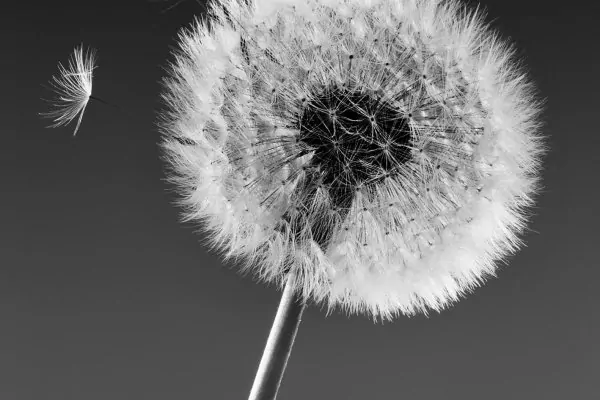
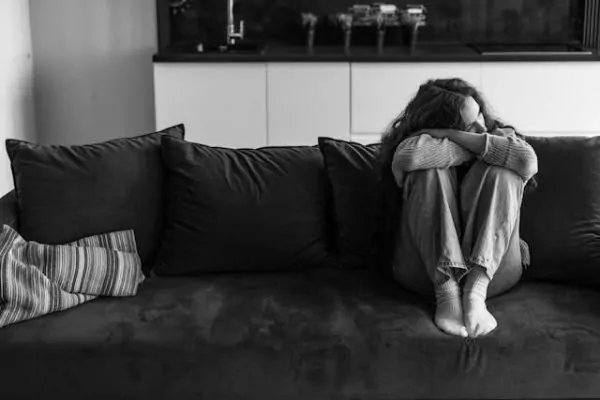
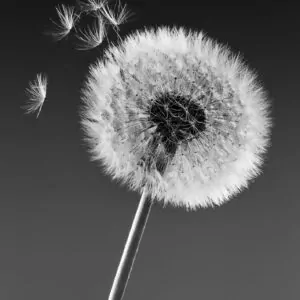
Photograph by Alex Golding.
This is a disidentification practice. It moves attention through the body, then the feelings, then the mind, and then to the part of us that has been noticing all three.
It is not about getting rid of thoughts or feelings. It is about noticing that we are the one who has them.
I do this myself, in various forms, and find it useful. It puts me in touch with the deeper ebb and flow of my feelings and my life, and with my Self.
There are two recordings. The shorter one moves through the body, the feelings and the mind. The longer one adds a section on the critical voice, which for a lot of us is the loudest thing in the room. Neither asks you to believe anything, and there is nothing here to get right.
I recorded them in my own studio and wrote the music. If you would rather read than listen, the full transcript of each is below. There is a music-only version also below.
The ten-minute disidentification practice
Body, feelings and mind, and the one who has been noticing all three.
The fourteen-minute disidentification practice
The same practice, with a section on the critical voice.
The music on its own
Some people want to sit with the practice again without being talked through it. This is the same music, without the voice.
Transcript, ten minutes
Settling
Get into a position that feels comfortable. Close your eyes, or if not, let them rest on one point on the floor or on the wall. There’s nothing to achieve here. There’s no goal but simply to be as you are right now.
The body
Become aware of the chair or the bed or the floor that you are on, and notice where it supports you. Bring your attention to your breath. Relaxing as you breathe in. Letting go of any tension as you breathe out. See if you can deepen the breath on the in and on the out. Let your attention move through to your body. How is your body? Noticing any tension or sensation. Relaxing the shoulders, behind the eyes, or jaw, or the hands. Breathing gently. Just let any sensation be, knowing it’s there. And using your breath to bring you closer into contact, as you become with your body. Breathing out any tension. And now affirm quietly to yourself: I have a body, and at the same time I am not my body. I have a body, and I am more than my body.
Feelings
Now gently move your attention to any feelings you may have. What feeling is here? What quality of feeling is here? Allow whatever feelings exist in this moment. There’s no need to make it smaller or bigger. And rather than the one you think you should have, allow the one that is, without judgement or any need to make it more or less. Allow what is simply to be. You do not have to hold on to it, and you do not have to push it away. Feeling the breath. Quietly affirm to yourself: I have feelings, and at the same time I am not my feelings. I have my feelings, and I am more than my feelings.
Mind and thoughts
Now bring your attention to your mind and thoughts. You do not have to stop them or change them. Sit slightly behind them and watch them arrive and go. Allowing whatever thoughts come, letting them be without judgement, like passing clouds. Noticing them and letting them go. Quietly affirming to yourself: I have a mind and thoughts, and at the same time I am not my mind and thoughts. I have my thoughts, and I am more than my thoughts. And back to the breath.
The one who has been noticing
Stay for a moment with what or who has been doing the noticing. Something or someone has been here the whole time, watching all of it. Something more essential or constant. An observer, perhaps, or the inner knower, the one who knows. This is the part that can choose. It may not be the loudest part. This is the essence of self, more than mind and body and feelings, that stays with us through all. So allow yourself to stay in contact for a while with this essence of self as it expands.
Coming back
Bringing your attention back to any sounds outside or in the room, the breath in your nostrils, the temperature of the air, the weight of your body on the chair or feet on the floor. As you arrive, and when you’re ready, gently open your eyes and allow yourself time to adjust. You may remind yourself: I am more than my body, my feelings, my mind and thoughts. I am a self becoming in the world with both agency and choice, purpose and potential to be lived.
Transcript, fourteen minutes
Both being and becoming
“We are both being and becoming in the same breath.”
Settling
Get into a position that feels comfortable, where you can stay for ten minutes or so. You do not have to sit up straight, and you don’t have to relax. This state that you arrive in is the right one to start with. So close your eyes if it feels comfortable, or if not, let them rest on one point on the floor or on the wall. There’s nothing to achieve here, nothing to get right. There’s no goal but simply to be as you are right now.
The body
Become aware of the chair or the bed or the floor that you are on, and notice where it supports you. Notice it is holding you without any effort from you. Bring your attention to your breath. Relaxing as you breathe in. Letting go of any tension as you breathe out. See if you can deepen the breath on the in and on the out. Let your attention move through to your body. How is your body? Noticing any tension or sensation. Relaxing the shoulders, behind the eyes, or jaw, or the hands. Breathing gently. You don’t need to release it. Just let any sensation be, knowing it’s there, and using your breath to bring you closer into contact, as you become with your body aware of any sensations, breathing out any tension. And now affirm quietly to yourself: I have a body, and at the same time I am not my body. I have a body, and I am more than my body. And back to the breath.
Feelings
Now gently move your attention to any feelings you may have. What feeling is here? What quality of feeling is here? Allow whatever feelings exist in this moment. There’s no need to make it smaller or bigger. And rather than the one you think you should have, allow the one that is, whatever it is, without judgement or any need to make it more or less. Allow what is simply to be. You do not have to hold on to it, and you do not have to push it away. Let it be here, and allow it to go on its way. Feeling the breath. Quietly affirm to yourself: I have feelings, and at the same time I am not my feelings. I have my feelings, and I am more than my feelings. Breathing, and exhaling any tension on the out-breath.
Mind and thoughts
Now bring your attention to your mind and thoughts. You do not have to stop them or change them. Sit slightly behind them and watch them arrive and go. Allowing whatever thoughts come, letting them be without judgement. Like passing clouds, noticing them and letting them go. Quietly affirming to yourself: I have a mind and thoughts, and at the same time I am not my mind and thoughts. I have my thoughts, and I am more than my thoughts. And back to the breath.
The critical voice
Some of those clouds have a familiar shape. They might say, “You’re not doing this properly. This is a waste of time. You should be further by now, or better, or something you’re not.” Notice the tone of it. Notice even that it is a voice. It may be familiar. This voice is not an enemy. This voice learned to speak that way for a reason somewhere a long way back. And at the time when it was probably trying to keep you safe. Fundamentally, this voice is not all of you. It’s a part of you. Only a part that comes and goes. No need to resist it. Only to observe it until it has passed.
The one who has been noticing
Now stay for a moment with what or who has been doing the noticing. Not the body which was noticed, not the feeling which was noticed, not the voice which was noticed. Something or someone has been here the whole time, watching all of it. It has not been anxious. It has not been criticising. Something more essential or constant. An observer, perhaps, or the inner knower, the one who knows. You don’t have to give it a name or believe anything about it. Just notice that it is here. And it was here before this exercise started. This is the part that can choose. It may not be the loudest part. This is the essence of self. More than mind and body and feelings, that stays with us through all. So allow yourself to stay in contact for a while with this essence of self as it expands. You are both being and becoming in the same breath.
Coming back
Bringing your attention back to any sounds outside or in the room. The breath in your nostrils, the temperature of the air, the weight of your body on the chair or feet on the floor. As you arrive, and when you’re ready, gently open your eyes and allow yourself time to adjust.
Afterwards
The critical voice may come back. That is not a failure of the exercise. The difference is that you now know what it sounds like from the outside. That it is not all you are. So you may remind yourself: I am more than my body, my feelings, my mind and thoughts. I am more than that voice. I am a self becoming in the world with both agency and choice. Purpose and potential to be lived.
The opening line, “We are both being and becoming in the same breath”, is quoted from Diana Whitmore, Psychosynthesis Counselling in Action, p. xi. The disidentification exercise itself is after Roberto Assagioli, who founded psychosynthesis.
These recordings are not a substitute for therapy. If something here opens up more than you expected, that is worth taking to someone.
Both practices are also on YouTube, if you would rather listen there or want to know when there are more.
Ready to Talk?
Ready to start, or want to ask a question first - either way, I’d be glad to hear from you.