Psychosynthesis Therapy for Anxiety & the Inner Critic
A therapy for anxiety that asks what it’s protecting you from — not just how to quiet it.

“Anxiety is the dizziness of freedom.”— Søren Kierkegaard

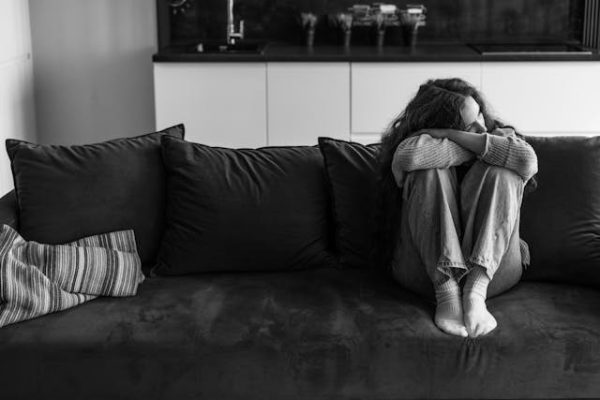
Anxiety therapy London clients often start with the same question: why won’t this just go away? Anxiety can feel like a tightening grip — unease, restlessness, racing thoughts, a body that won’t settle. Most approaches focus on calming these symptoms directly, which matters and genuinely helps. But underneath anxiety there’s often something else at work: an inner critic, judging and questioning your worth, that anxiety is quietly trying to keep in check. Psychosynthesis therapy works with both — not just quieting anxiety, but understanding what it’s protecting, and what it may be asking you to grow into.
Signs Anxiety Might Be About More Than “Just Anxiety”
- Racing thoughts, restlessness, or a body that won’t settle even when nothing is obviously wrong
- A harsh inner voice that judges decisions before or after you make them
- Perfectionism, or a sense that you’re only safe if everything is under control
- Procrastination or avoidance that seems to come from nowhere
- Difficulty relaxing, resting, or simply being, without a task to justify it
- Anxiety that seems to have no clear trigger, or feels bigger than the situation warrants
Psychosynthesis Therapy for Anxiety as a Messenger
Anxiety is often a response to vulnerable or uncomfortable feelings underneath it — shame, sadness, fear, uncertainty. The psyche develops defences to avoid those feelings: dissociation, control, perfectionism. Over time, these defences can solidify into the inner critic — a voice that polices your choices and keeps you “safe” by holding you back. Left unaddressed, this same pattern can also feed into low mood and depression over time.
Psychosynthesis sees symptoms not simply as problems to eliminate, but as signals asking us to grow, heal, and integrate what’s been left in the shadow. Anxiety can mean you’re on the threshold of change — reclaiming a disowned part of yourself, or stepping into a truth you haven’t yet let yourself feel.
“The curious paradox is that when I accept myself just as I am, then I can change.”— Carl Rogers
Meeting the Inner Critic
Rather than treating the inner critic as an enemy to silence, we work to understand what it’s actually trying to do — usually protect you from an old hurt, humiliation, or fear of failure. This is a core part of how psychosynthesis therapy for anxiety works: not silencing the voice, but understanding it. In psychosynthesis, this voice is understood as one “subpersonality” among several, rather than the whole of who you are. Meeting it with curiosity and compassion, rather than more self-criticism about being self-critical, is often where real change begins.
How Anxiety Therapy London Sessions Work

In sessions, we work with anxiety both somatically and symbolically:
- Mindfulness tools calm the nervous system and help you stay present with difficult feelings, rather than being swept up by them
- Psychosynthesis techniques engage your inner critic and other subpersonalities with compassion, rather than fighting them for control
This dual approach supports both grounded, practical relief and deeper unfolding over time. Whether you’re new to anxiety therapy London has to offer or have tried other approaches before, this way of working meets you where you actually are.
What Clients Can Expect From Psychosynthesis Therapy for Anxiety
Our work together is gentle, respectful and soulful. You can expect:
- A compassionate, non-judgemental space
- Guidance toward understanding and integrating parts of yourself
- Support in cultivating self-trust, purpose and wholeness
What to Expect
Format: Individual 50-minute sessions, weekly
Where: In person in Farringdon, London (recommended where possible), or online for those based outside London
Commitment: Weekly sessions, reviewed as we go — many clients notice a shift within the first several sessions, with deeper pattern-work continuing beyond that
Fees: £70 per session
Frequently Asked Questions
Is this the same as CBT?
No. CBT (Cognitive Behavioural Therapy) is NICE-recommended for anxiety disorders and works directly with thought and behaviour patterns — it’s a well-evidenced, structured approach. Psychosynthesis takes a different, complementary route: working with the deeper emotional and existential roots of anxiety alongside practical grounding tools. If you’re specifically looking for structured CBT, it’s worth knowing that isn’t the primary approach here.
What’s the difference between ordinary worry and something worth bringing to therapy?
There’s no fixed line, but if anxiety is persistent, disproportionate to what’s in front of you, or shaping your choices and relationships, that’s generally worth exploring — whether or not it would meet a clinical threshold.
How many sessions will I need?
This varies. Many clients notice some relief within the first several sessions, while the deeper pattern underneath — the inner critic, what anxiety has been protecting — tends to unfold over a longer, ongoing process.
Can anxiety therapy be done online?
Yes — anxiety therapy London clients can access online sessions if they’re based outside London. In-person work in Farringdon, London, is recommended where it’s an option, as it tends to support deeper work.
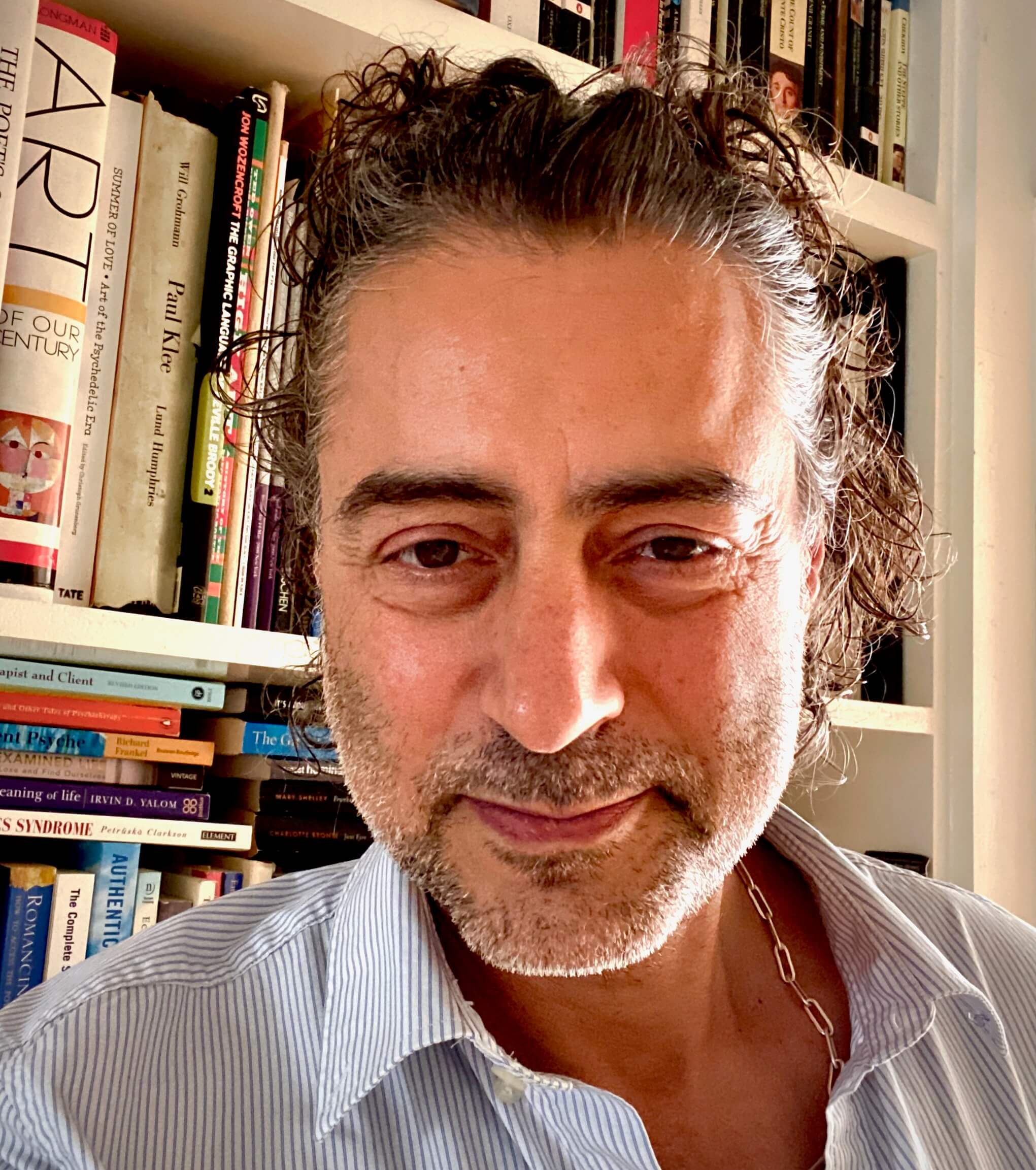
Alex Golding
BACP-Registered Psychosynthesis Counsellor
Ready to Talk?
Ready to start, or want to ask a question first — either way, I’d be glad to hear from you.