What Is Transpersonal Psychotherapy — and What Are the Alternatives?
Beyond diagnosis and symptom management, toward meaning, creativity, and spirit — and where the alternatives fit too.

Many people today feel the deep pull of questions that go beyond symptoms: Who am I? What gives my life meaning? How can I live in a way that feels authentic and connected? How do I balance my needs against those of others? How can I thrive, not just survive? These are the kinds of questions that transpersonal psychotherapy seeks to address.
The transpersonal goes beyond the personal and the practical, opening a space for exploring the spiritual, the creative, and the soulful dimensions of human life. It places the individual within a wider context, resonating with our more expansive aspects, because we are so much more than our limiting problems. This brings awareness, permission and compassion to the individual souls that we are, while remaining fully present and grounded in core lived experience.
“People will do anything, no matter how absurd, to avoid facing their own soul.”— Carl Jung
Yet transpersonal psychotherapy alternatives can help people who may be looking for a gentler or more measurable approach, while still honouring the depth of their human experience. In a world driven by speed, materialism, and mounting pressure, many seek exactly this — an alternative to traditional forms of therapy that still takes the whole person seriously.
What Is Transpersonal Psychotherapy?
At its core, transpersonal psychotherapy integrates traditional psychology with spiritual wisdom traditions, exploring not only the wounds we carry but also the profound capacities within us. It emerged in the mid-20th century, shaped by figures such as Abraham Maslow and Roberto Assagioli — the founder of Psychosynthesis. Assagioli believed that psychology should include the higher potentials of human beings: creativity, love, joy, and the will to meaning.
Poet John Donne wrote, “No man is an island entire of itself… every man is a piece of the continent, a part of the main…” We live always in context. Assagioli spoke of the “intricate economic and social machinery… within which [man] is enmeshed… mak[ing] ever more insistent demands on his energy, his mental functions, his emotions, and his will.” Transpersonal psychotherapy, by acknowledging wider intersectional, intergenerational and systemic forces at play, offers a healing space within which to address the very real impacts of personal shame, wounding, or self-blame upon the psyche.
There is hope, potential and relief awaiting as the Self is honoured. This highest regard also speaks to the wisdom and compassion of the spiritual traditions. Beyond merely offering solace for the human condition, they bring a celebration of who we fundamentally are, in our fullest, individual being — warts and all.
Unlike some therapeutic models that focus primarily on diagnosis or symptom relief, transpersonal psychotherapy takes a holistic view: it considers the body, mind, emotions, relationships, and the spiritual dimension. It is often described as a therapy of wholeness, integration, or inner synthesis, toward healing. As Irvin Yalom reminds us: “The deepest existential concerns — death, freedom, isolation, and meaninglessness — shape the heart of therapy.”

Exploring Transpersonal Psychotherapy Alternatives
Transpersonal work is powerful, but it is not the only path. Depending on a person’s needs, different therapeutic approaches may offer better alignment. Below are some key transpersonal psychotherapy alternatives.
1. Humanistic and Integrative Therapies
Approaches such as Person-Centred Therapy (Carl Rogers), Gestalt Therapy, and Existential Therapy focus on empathy, authenticity, and presence. I’ve seen how much simply being met this way can shift a person — there’s a relational foundation here that so much healing rests on. Rogers famously said, “When I accept myself just as I am, then I can change.” For many, this simple yet profound acceptance is transformative. We could argue that to accept is to change. Acceptance is certainly a precursor to change, and to many aspects of healing. Yet there are good reasons for our persistent resistances and defences, and these also need to be embraced with compassion and understanding; they served us, enabling our survival.
2. Psychodynamic and Analytical Approaches
Rooted in Freud and Jung, these therapies explore unconscious patterns, family dynamics, and archetypal imagery. I often find they’re most helpful for clients who want to properly understand how their early experiences are shaping present-day struggles, not just manage the symptoms. Jung’s emphasis on dreams and symbols continues to inspire many forms of depth therapy today. Indeed, he said, “Who looks outside, dreams; who looks inside, awakes.” If you’re looking for alternatives to transpersonal psychotherapy specifically, these approaches can offer meaningful exploration without necessarily engaging spiritual themes.
3. Somatic and Trauma-Focused Therapies
Trauma often lodges in the body, something I’ve come to appreciate more and more over the years. Modalities such as Somatic Experiencing, Sensorimotor Psychotherapy, and body-oriented therapies provide tools for releasing deeply held physical and emotional tension. Gabor Maté reminds us that “trauma is not what happens to you. Trauma is what happens inside you as a result of what happens to you.” If trauma recovery specifically is what’s bringing you to look at transpersonal psychotherapy alternatives, these approaches may be exactly what’s needed.
4. Evidence-Based Clinical Approaches
For those seeking measurable outcomes, there are clinical protocols widely used in medical and insurance contexts: CBT (Cognitive Behavioural Therapy), DBT (Dialectical Behaviour Therapy), EMDR (Eye Movement Desensitisation and Reprocessing), and high-intensity psychological services. They’re genuinely well researched, and I’ve seen them help many people — but in my experience, they can sometimes feel limited when it comes to meaning, soul, and creativity. Practical alternatives to transpersonal psychotherapy, when your goals are symptom-specific.
Where Does Psychosynthesis Fit?
Psychosynthesis, the therapeutic approach I am most deeply grounded in, was developed by Assagioli as a truly integrative model. It draws from and incorporates many of the above — humanistic, psychodynamic, analytical, existential, and transpersonal traditions. In my own practice, I weave this with decades of spiritually-informed practice and leadership, creative arts, and work with diverse groups including men and young people. My focus is always compassionate, relational, and holistic.
“The heart is what is most important. If the heart is strong, all will be well.”— Daisaku Ikeda
Therapy, at its best, is about strengthening the heart and soul so that life can be lived with courage, creativity, and depth. I help clients remove the obstacles that might be limiting their fullest self-expression and acceptance, accompanying them on their journey toward healing — toward becoming.

Living Soulfully in a Divided World
The psychiatrist Iain McGilchrist has described our age as dominated by the left hemisphere: analytic, controlling, materialistic. In The Master and His Emissary, he warns that the right hemisphere’s deeper, more relational ways of knowing are being neglected. Transpersonal and integrative therapies — including Psychosynthesis — offer a way to restore balance, enabling us to live more soulfully in a pressured, capitalist, and patriarchal world.
Therapy with me aims to restore such connection, both within and interpersonally, bringing greater intimacy, congruence and meaning into everyday life. To enjoy the experience of being who we actually are may seem, to some, but a distant dream. Effective therapy, however, exists to make it a reality.
Transpersonal Psychotherapy Alternatives: Choosing the Right Path
Honestly, there’s no single “best” alternative to transpersonal psychotherapy — I wouldn’t try to tell you there was. Each modality has its own gifts. Some provide symptom relief. Others open pathways to meaning. What matters most, in my experience, is finding the approach — and the therapist — that genuinely resonates with your own needs and hopes. I’d be glad to offer a compassionate space to explore that together, whether you’re based in London or joining online.
Reading List
- Roberto Assagioli — Psychosynthesis: A Collection of Basic Writings
- Irvin Yalom — Existential Psychotherapy
- Carl Rogers — On Becoming a Person
- James Hillman — The Soul’s Code
- Iain McGilchrist — The Master and His Emissary
What to Expect
Format: Individual 50-minute sessions, weekly
Where: In person in Farringdon, London (recommended where possible), Streatham (Tuesdays, 9am–3pm), or online for those based outside London
Starting out: A free 15-minute consultation is available first, if you’d like to ask questions before committing to a full session
Fees: £70 per session
Frequently Asked Questions
What are the most common transpersonal psychotherapy alternatives?
The most common transpersonal psychotherapy alternatives include humanistic therapies, Jungian analysis, Gestalt, somatic trauma work, and evidence-based approaches such as CBT and EMDR. Each offers unique benefits depending on your needs.
Can I combine CBT or EMDR with transpersonal or humanistic therapy?
Yes. Many people find that an integrative approach works best. Evidence-based therapies such as CBT or EMDR can provide symptom relief, while transpersonal or humanistic therapy explores meaning, creativity, and growth. Together, they form a balanced pathway to healing.
Is transpersonal psychotherapy available in London and online?
Yes. I offer transpersonal psychotherapy in London and online, drawing on Psychosynthesis, decades of contemplative practice, and integrative modalities. Whether you prefer to meet in person or virtually, therapy can be tailored to your unique needs.
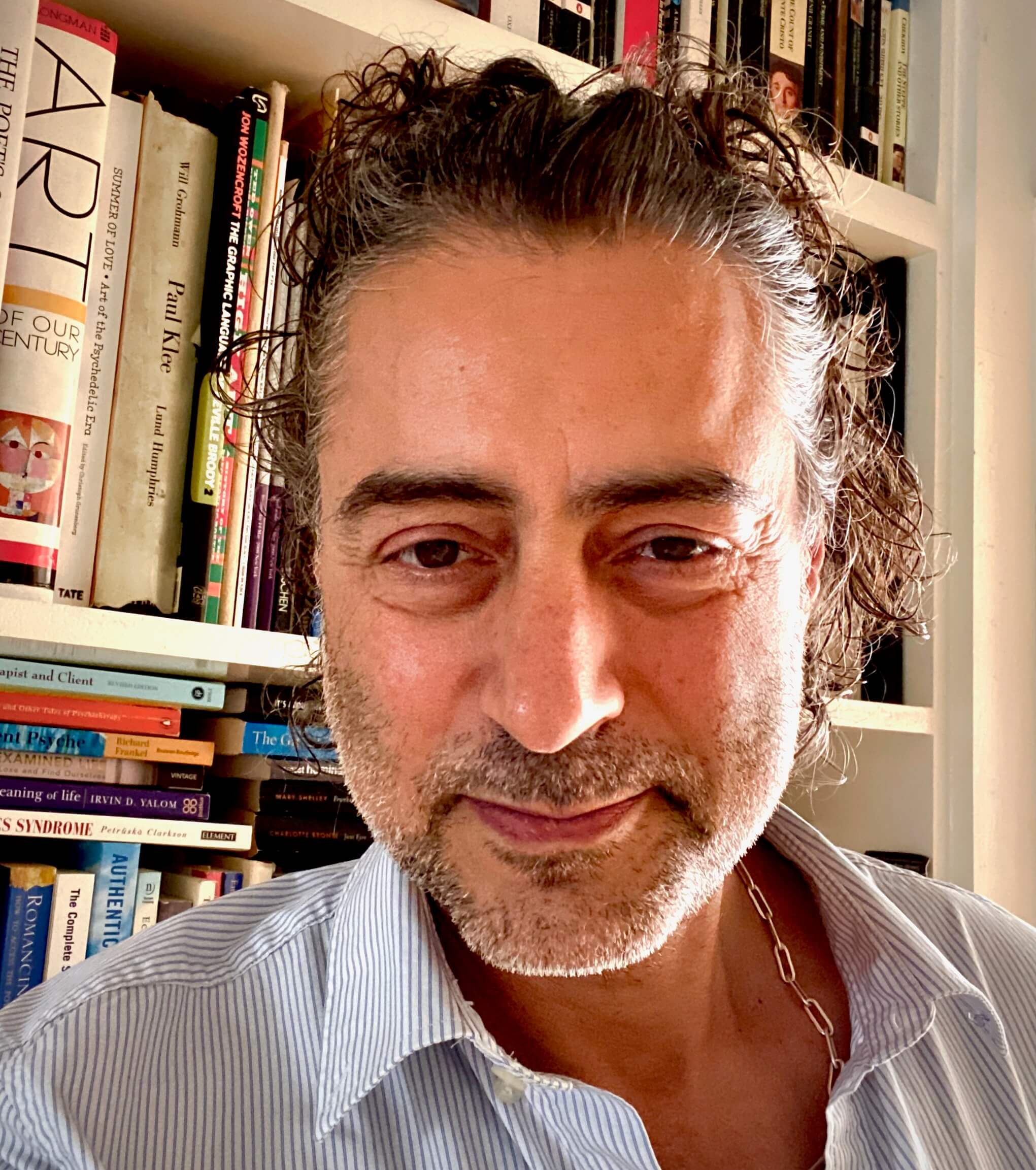
Alex Golding
BACP-Registered Psychosynthesis Counsellor
Ready to Talk?
Ready to start, or want to ask a question first — either way, I’d be glad to hear from you.